

You stumble upon a beautiful chest in mint condition at dirty antique store. It’s listed at a can’t- pass-it-up price, so you grab it and take it home. The small dresser discovers the perfect spot in your bedroom then, one day, you look it up online and realize your $40 discover could be worth an amount with a couple of more nos at the end.
It doesn’t take long to start fantasizing about your future antiquing undertakings. You’re wondering if possibly your path to riches is paved with elaborate French side chairs and Federal style sideboards. You’ll begin investing your weekends scouring markets and pre-owned buy the diamonds in the rough– those pieces you can turn around and sell for 10 times what you paid.
But is that easy to purchase antiques? And is it really worth it? We spoke with 3 experts who deal in the world of antiques and can talk to the truths of recognizing valuable pieces, examining the prospective return, and whatever you need to find out to make a wise financial investment.
An Investment You Can Live With
” My slogan has always been ‘Who requires a 401K when you have antiques?’,” says Hirsch, lightheartedly describing a view of antiques that’s reminiscent of Carrie Bradshaw when referring to preferring her cash where she could see it– in her closet.
But Hirsch makes a good point. When you purchase the right antiques, she discusses, “They are a financial investment you can deal with and get satisfaction from more than other types of investments.”
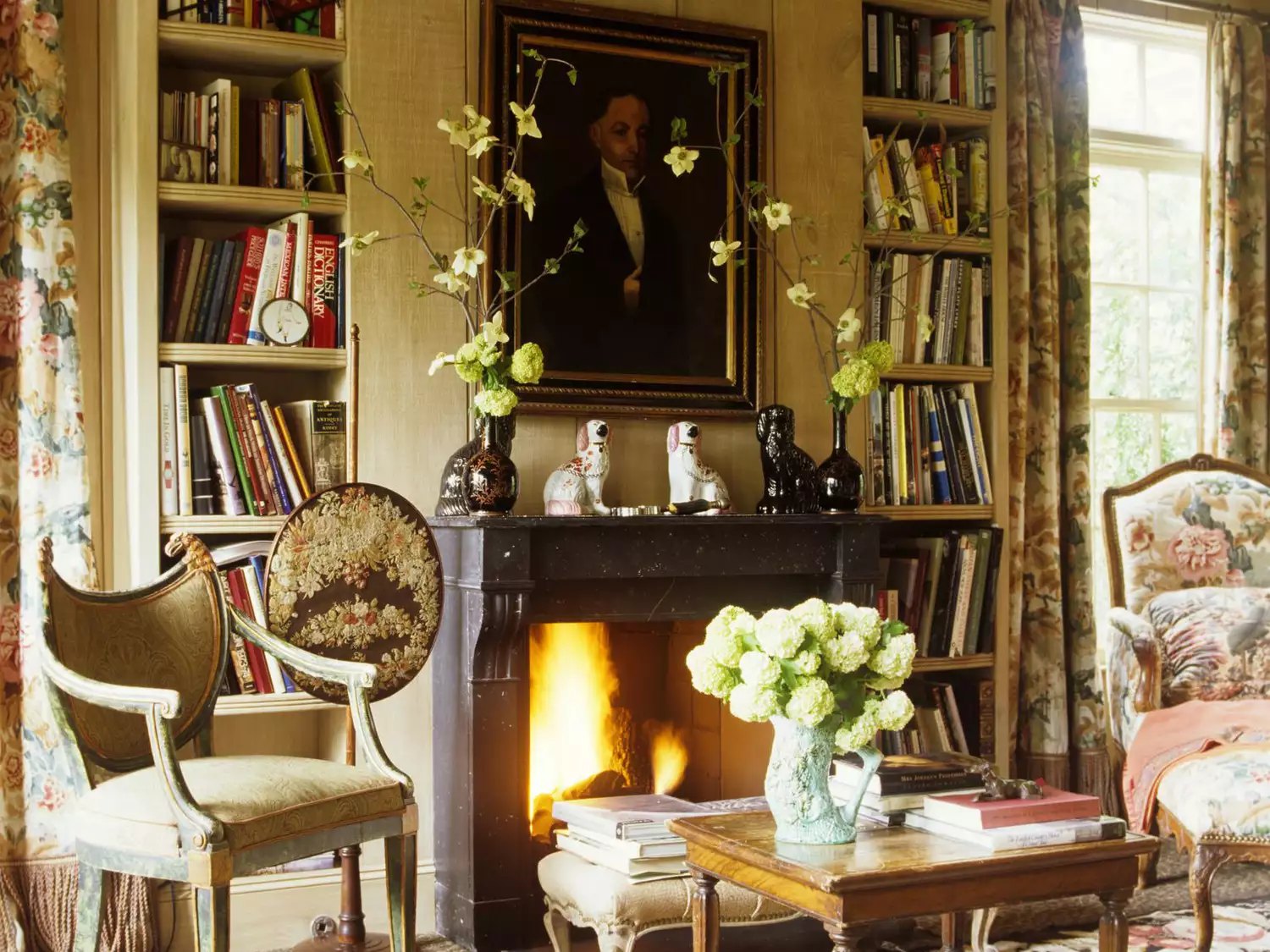
The secret is discovering what’s a great investment versus what’s simply another quite wood chair. She suggests first hanging out searching antique stores, shows, and auctions. “Figure out what speaks to you,” states Hirsch. “Then discover all you can about that item or style.”
Before you make your very first huge antique purchase, Hirsch suggests taking several steps to make sure it’s a wide choice. First, she encourages seeking out professional guidance to prevent costly mistakes. “Until you have actually spent substantial time studying antiques, there are a great deal of mistakes– some expensive– that can be made.”
Then, figure out a budget. She describes, “Determine a spending plan and if its $1000, purchase the very best thing you can find for $1000.” Avoid purchasing amount over quality, and stay away from typical products that aren’t unique in the market. Value is driven by supply– or lack thereof. “If there are too many available and the economy gets undecided, the first thing people pause purchasing are high-end products, not requirements,” says Hirsch.
Look at recommendation books, inspect out collectors’ clubs, talk to antique dealers, and put yourself out in the field with these items. “You can check out and discover a lot but you’ll never ever discover it all.
A Piece Of History
The financial investment in antiques isn’t completely monetary, of course. It’s likewise something that speaks with a larger story and the story that you’re continuing to tell. “When you invest in an antique, you are investing in a piece of history, leading to a distinct discussion piece for your home for several years to come,” states Arthur.
Taking a look at an antique piece from the perspective of its history and individual significance to your interests separates it from the concept of return on investment, but that does not imply you have to forget its provenance completely. Arthur advises springing for lovely pieces that will have a place in your home for many years, if not years.
When thinking of specifics, she likes a clean-lined piece in a gorgeous, warm wood, such as a Louis Philippe or Biedermier chest. “These pieces can operate in various areas as you move through life and shop whatever from clothing to table linens,” adds Arthur.
As you get further into collecting, you’ll determine the styles and eras that you prefer. Arthur suggests searching sites like 1st Dibs to give you a concept of what’s out there and what the price varies appear like. Even if you never plan on re-selling a piece, you want to make sure that price you’re paying is fair.
Consider Quality And Sustainability
” Should you invest in antiques? Absolutely, particularly when you think about investing in antiques from a quality and sustainability point of view,” says Owen, speaking with the intrinsic benefit of purchasing secondhand.
As an appraiser, she, of course, believes in the worth of antiques, but she explains that a financial roi depends completely on the particular pieces and styles somebody decides to collect– which can alter with time.
Her suggestion to someone interested in investing in antiques is to become hyper-knowledgable on one particular style. Look at local auction houses and antique stores, and don’t neglect the amazing resources that are historical home museums, specifically if they’re focused on a particular time duration that you’re interested in.
However, to her initial point, that know-how does not constantly translate into continued investing success. Owen describes, “Value does associate with interior decoration trends. For example, mid-century modern-day pieces have been at a premium over the last decade, however you are starting to see this market cool down as individuals are moving back into more conventional and maximalist style preferences.”
If you stick to what you enjoy, there will never be an issue over whether your preferred French antiques are no longer the trend du jour. The most essential worth is the worth they have in your home.