

Whether you’ve acquired a granny’s beautiful wood dresser or you’ve spent lavishly on an elaborate Neoclassical sideboard, you want to take care of your wood antiques to keep them looking as lovely as the day you acquired them. You likewise don’t desire to feel like you’re living in a museum or as if you require to treat every piece in your collection with kid gloves.
Fortunately, the professionals– antique dealers, shop owners, and appraisers– believe that wood antiques are indicated to be utilized. They’re developed to be rested on, styled, and incorporated into life. They do not have to stay definitely best since life isn’t perfect. An occasional scratch or a progressive patina is simply a testimony to memories. “Furniture is practical, and for that reason it is acceptable for pieces to display their age and usage. The objective is not for a piece to look pristine, however rather that it has actually been well-kept its whole life,” states Lindsey Owen, a fine art and antiques appraiser at Lindsey Owen Appraisals.
Which’s why the care and upkeep that goes into maintaining wood furnishings does not require to be time-consuming or intimidating. These are the eight available and simple actions the specialists swear by to take care of their wood antiques.
Location Wood Antiques Wisely
The most essential step you can take in caring for wood antiques and wood furnishings is paying attention to where you put it in your home. If the furniture remains in an area that doesn’t produce the ideal environment for preserving its look and structural stability, then nothing else matters.
” It may be appealing to position a beautiful wooden commode in front of a window that gets direct sunlight, however it’s just not the very best location for it. The sun can cause the surface to fade and the wood to dry,” says Will Hunt Lewis, owner of Hunt & Bloom Houston, Texas. Placing wood antiques in a location where they won’t get direct sun will assist the finish and the wood last longer.
Lewis adds, “I understand some of us might simply go for the beauty of the placement over the care of the piece, however you really should consider it when you have a piece that is of extreme value.”
Keep Liquids Away On A Day-To-Day Basis
” Always use rollercoasters, and, if you spill something on it, wipe it off immediately. Otherwise you can wind up with areas,” states Reyne Hirsch the owner and fine art expert at Dallas Auction Gallery in Dallas, Texas, providing two basic tenets of care that must always be followed.
Water is an even larger opponent of wood antiques than direct sun, and anything you can do to keep water, condensation, leaks, and spills away from your wood furniture will help extend their life expectancy. Lewis notes that this even extends to cleansing. “Avoid utilizing wet fabrics on wood furniture if you aren’t going to right away dry the area.”
Dust Weekly
Hirsch specifically gathers midcentury modern pieces, though she treats them the precise same way she used to look after her previous art nouveau and mission style furniture. Which is to say, regardless of the design of furniture, resist the urge to try to follow an elegant, complex cleaning program. A simple technique to cleaning wood furnishings is best.
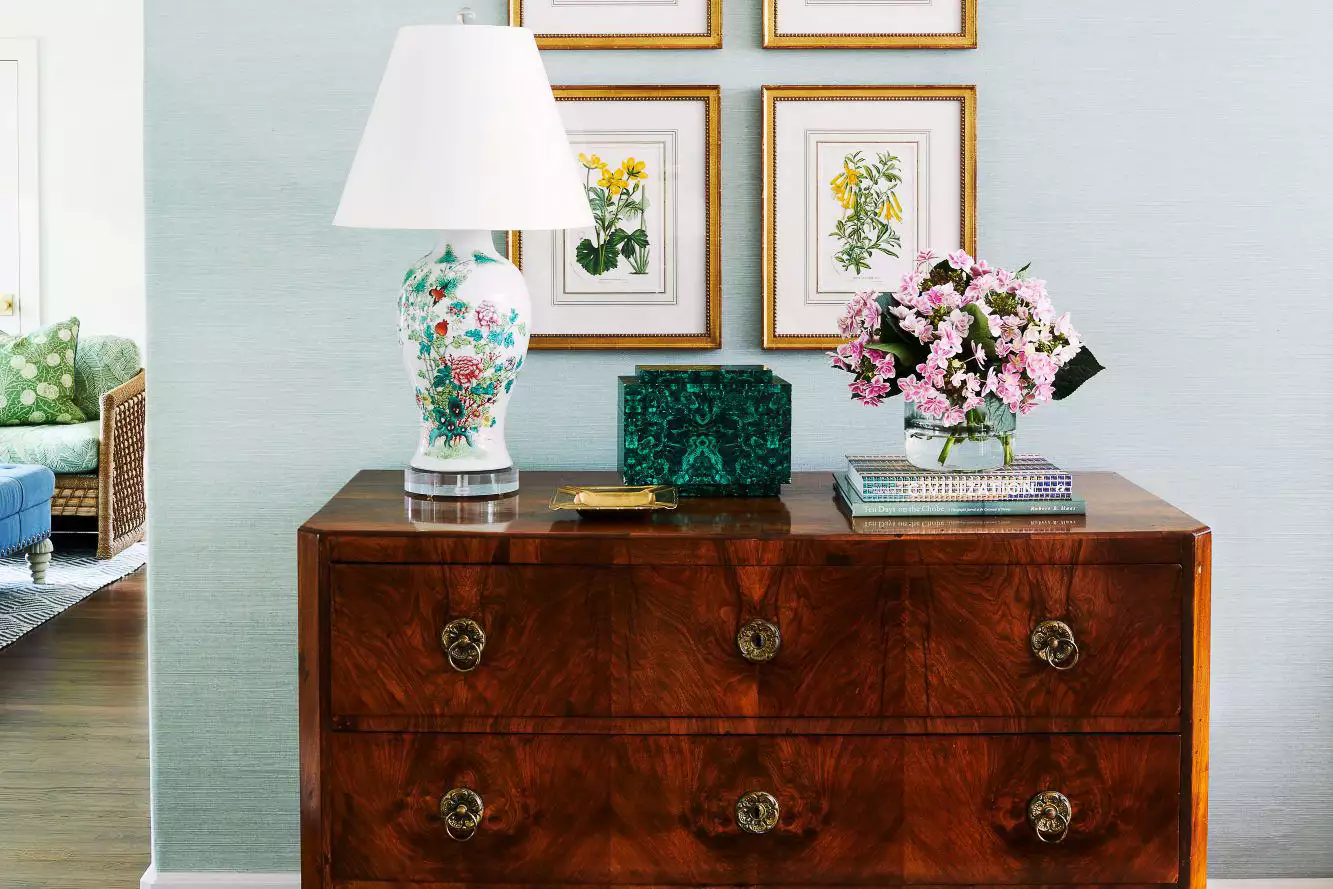
” I do a light dust weekly with a dry dust rag. When cleaning, wipe the method of the grain. If it goes east to west, follow that line. Do not fluctuate,” says Hirsch.
Prevent Harsh Chemicals And Opt For Natural Oils
Walking through the aisles of a big box store, it’s tough not to be lured by the many products appealing gleaming wood furnishings. Lewis firmly insists that you resist the general business products. “It’s always best to keep away from harsh chemicals, or items that you would get at the grocery store,” says Lewis.
He suggests using a natural oil item like Christopher Pourny’s Furniture Tonic. “It’s made in of all-natural oils like linseed and walnut. Giving a routine clean of this tonic to your wood furnishings assists to preserve shine and gives the wood a great ‘beverage’ to maintain its character and appeal,” explains Lewis.
Apply A Paste Wax
” The fantastic thing about antique wood furniture is that is needs extremely little maintenance,” states Taylor Thistlethwaite, the owner of Thistlethwaite Americana, an antique shop in Middleburg, Virginia.
He tells his customers that their wood furnishings is so low maintenance that it only needs an occasional layer of paste wax. If it’s a piece that is more ornamental or in a lower traffic location of the home, this can be done every 5 to 10 years.
Nevertheless, higher use items need a more regular application. “Tables that see a lot of usage, like dining tables or nightstands, I tend to wax every year or two,” recommends Thistlethwaite.
There’s one case, however, where he would prevent using a paste wax or anything. “If a piece has a dark crusty initial surface, it is best to leave it alone,” says Thistlethwaite.
Touch Up Small Cosmetic Issues
While part of the appeal of antiques is accepting the patina, there are steps you can take at home to repair cosmetic issues. “For little cosmetic concerns, like nicks, scratches and abrasions, you can use putty sticks or retouch markers. I also have personally had success with Restor-a-Finish,” states Owen.
Go To A Professional For Bigger Issues
However, if there’s a larger structural issue with the piece, then avoid the DIY repair unless you’re fine possibly harming the piece. “For other condition problems, my continuous refrain will constantly be: go to an expert. In my experience, the most destructive and challenging restorations were repairing amateur remediations and DIY repairs,” discusses Owen.
Shop In A Climate Controlled Place
Not every antique is going to have a location in your home at all times, especially if you’re a small area resident who has acquired a large collection from an older family member (a story numerous understand all too well!).
However that doesn’t imply you should simply toss the antiques in a relative’s basement for the time being and wish to gather them in a few years when you have more space.
“Something I see happen all too often is the storage of antique pieces in places without any environment control. This can be detrimental to your furnishings if it is for more than simply a couple of days,” explains Lewis. He notes that fluctuations in temperature and humidity can trigger irreparable results on wood, including mold and mildew.
“If you require to save furniture long-lasting, choose a climate-controlled storage unit. I understand it’s appealing to simply toss the pieces in the garage, but if it’s not climate-controlled, don’t do it,” says Lewis.