

Quartz and quartzite counter tops have taken cooking areas (and bathrooms) by storm. Their stunning veining, neutral coloring, and unexpected sturdiness make them a great choice in all type of spaces for all type of styles.
Quartz and quartzite counter tops aren’t the very same: they’re various materials with their own distinct production procedure, along with their own sets of fantastic– and not-so-great– qualities. We tapped Cyndy Cantely, co-owner of cabinet and design firm Cantley & Company, in Birmingham, Alabama, to describe what you need to know about quartz and quartzite counter tops.
What is Quartz?
Cantley says that quartz countertops are manmade– they’re made up of tiny flakes of quartz suspended in resin and pigments. Ten percent of quartz countertops are synthetic, while the rest of its makeup is ground quartz. While they’re a popular kitchen area pick, they’re not ‘natural’ stone in like granite or marble countertops.
Advantages and disadvantages of Quartz Countertops
Quartz countertops are known for their elegant marbled look, and their artificial makeup makes them particularly resistant to staining and flaking. Quartz countertops can come in a more limited and dull color scheme compared to other counter tops like granite and quartzite.
What is Quartzite?
Quartzite countertops can look incredibly similar to quartz countertops– some house owners aren’t even sure whether they have quartz or quartzite in their kitchen area– but they’re pieces of natural stone, rather than ground minerals. Quartzite is more similar to other natural stone counter tops, like granite or marble, in this method– it’s quarried directly out of the ground in big slabs of sandstone, then polished and cut down into countertop-sized pieces.
Advantages and disadvantages of Quartzite Countertops
Quartzite countertops have lovely (and differed) color and marbling, thanks to their eons-long development procedure deep underground. They’re also a bit harder and resistant to scratching than quartz counter tops. As quartzite is a natural stone, it must be regularly sealed in order to keep it stain-resistant.
Distinctions in Appearance
Quartzite is understood for its all-natural veining that leaves no piece the same. This is thanks to its sluggish development in nature, as various minerals are compressed over thousands of years to develop special pieces of sandstone.
This makes quartzite come in a wider variety of colors, too. Quartz, however, has a more limited color palette of lots of whites and grays. Veined quartz is still widely readily available, but the veining is artificial instead of a product of Mother Nature.
Differences in Durability
The resin in quartz makes it less susceptible to all type of kitchen spots from pasta sauce, oil splatters, or shakes gone awry. On the other hand, quartzite can become quickly stained if it’s not effectively sealed– the sandstone quartzite is made from is rather porous.
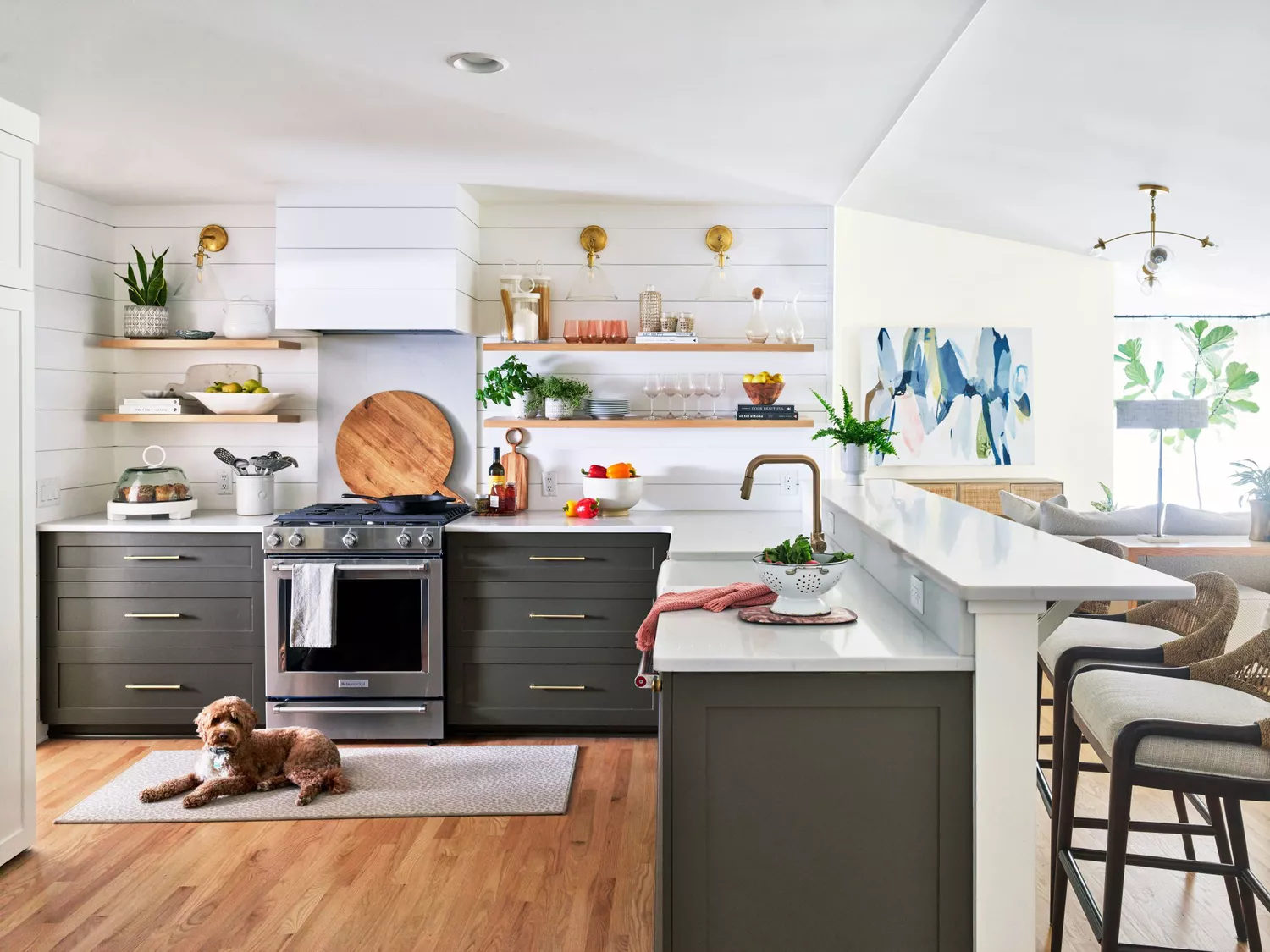
Quartzite is a little more difficult than quartz, making it somewhat more durable over time. Cantley also adds that “it is formed underground by extreme heat and for that reason extremely heat resistant.”
Distinctions in Maintenance
Quartzite requires resealing every year thanks to its porosity, says Cantley. This keeps it secured from staining and cracking, and it needs to be done before any kind of regular cleaning with a household cleaner– the quartzite could be damaged otherwise.
Quartz, meanwhile, needs no special care to tidy. Just a simple pass with a washcloth and a moderate home cleaner after any use will do.
Expense Comparison
Quartzite is more costly than quartz, as it requires a more specialized quarrying and production procedure. According to Angi, quartzite expenses anywhere from $70 to $220 a square foot, with specialized colors and patterns costing far more than easier or more commonly readily available quartzite styles. Quartz, on the other hand, costs around $60 to $150 a square foot.
Choosing the Right Countertop for Your Needs
When choosing between quartz and quartzite, consider how you utilize your kitchen and what you value many. If your cooking area gets quickly stained thanks to little fingers or untidy cooking projects, stain-resistant quartz is likely a much better pick. If it’s essential that your counter top last for years to come, and you don’t mind a little extra upkeep to keep it looking picture-perfect, select quartzite.
If cost is a huge part of your decision-making, quartz is the best pick. If originality and counter top aesthetic appeals are your greatest concern, quartzite is what you’re trying to find.
” Quartzite is naturally more traditional,” says Cantley. “Which makes it more in keeping with traditional interiors.”
Where to Use Each Countertop
Quartz
Cooking areas utilized by young households
Kitchen islands that have a lot of food-prep mess
Rental cooking areas or guest-suite kitchenettes
Bathrooms
Quartzite
Kitchens that desire their countertops to be the focal point
Counter tops near cooktops or stoves
Backsplashes or surrounds